
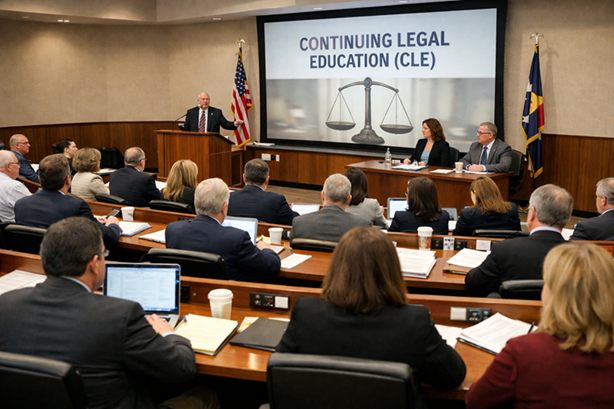
Why Continued Legal Education is Crucial for the Modern Legal Professional and Expert Witness
The legal field moves fast these days. New laws pop up, tech changes how cases work, and one wrong step can cost a career. Just getting your JD won’t cut it anymore. You need to keep learning to stay sharp.
Continuing legal education, or CLE, goes beyond checking boxes. It builds your skills as an attorney or expert witness. This ongoing training keeps you current, boosts your work, and helps you follow ethics rules in a tough job.
The Shifting Sands of Law: Keeping Pace with Legislative and Regulatory Updates
Laws change often. What you learned in school might not apply today. CLE helps you spot these shifts before they trip you up.
Tracking New Statutes and Landmark Case Law
New bills pass every session. Courts hand down decisions that rewrite rules. Miss one, and you risk giving bad advice or losing a case.
For example, in 2025, the Supreme Court ruled on key privacy issues for online activity. Experts who skipped updates faced challenges in court. Old knowledge leads to errors. That can mean lawsuits against you.
Stay ahead with smart habits. Subscribe to alerts from sites like Congress.gov or state bar newsletters. Read law journals weekly. Join online groups that share case summaries. These steps keep your info fresh. Set aside time each week to review. It takes effort, but it pays off in stronger arguments.
Navigating Specialized Regulatory Frameworks (e.g., Data Privacy and ESG)
Some areas grow complex quick. Think data privacy laws like CCPA in California. Or ESG rules that push companies to track environment and social goals.
General law skills don’t cover these. You need deep dives into specifics. A slip-up here can lead to big fines for clients. As of January 2026, enforcement ramps up on ESG reporting.
Take the 2024 FTC case against a tech firm for data breaches. They ignored new privacy tweaks and paid millions. CLE courses on these topics train you to guide clients right. You learn to spot risks and build compliance plans. This knowledge sets you apart.
Ethical Obligations in a Digital Age
Ethics boards push for tech savvy now. The ABA says lawyers must handle tools like email and apps well. Rule 1.1 covers this.
You deal with client info daily. How do you keep it safe from hacks? What about using AI to draft files? Social media posts can bite back too.
CLE sessions teach these basics. They cover secure file sharing and spotting fake emails. One course might role-play a cyber threat. After, you feel ready to protect your practice. Ethics breaches hurt trust. Stay trained to avoid them.
The Expert Witness Imperative: Maintaining Technical Credibility Through Specialized CLE
Expert witnesses face tough scrutiny. Judges question your methods under Daubert rules. Fresh knowledge proves you’re reliable.
Without updates, your testimony falls flat. CLE keeps your skills valid in court.
Validating Methodologies in a Scrutinized Environment
Courts demand solid proof. Daubert checks if your approach holds up to science. New studies can shift what’s accepted.
Forensics changed with DNA tech in the 2000s. Today, AI tools test evidence. Skip CLE, and your old ways get tossed out.
Experts take courses on current standards. They review peer studies and court trends. This builds a strong base. In 2025, a medical witness lost credibility for ignoring medical scan advances. Don’t let that happen. Pick CLE that matches your field.
Integrating New Forensic and Digital Evidence Standards
Digital proof rules everything now. Emails, videos, app data fill cases. Chain of custody matters more than ever.
Tools like e-discovery software pull info fast. Mobile forensics grabs phone records. But laws on handling this evolve.
CLE teaches proper steps. You learn to log evidence without taints. One module might cover blockchain in fraud cases. Experts who master this testify with confidence. Clients win more when evidence sticks.
The Art of Effective Courtroom Communication and Testimony
Testifying stresses anyone. Cross-exams try to trip you. Juries need simple explanations of hard ideas.
CLE hones these skills. Practice sessions mimic trials. You learn to stay calm and clear.
Focus on body language too. Avoid jargon. Use stories to explain tech. A good course includes video feedback. After, your words land better. Strong testimony sways verdicts. Invest here for real wins.
Technological Fluency: CLE as a Barrier Against Obsolescence
Tech shapes law work. AI searches cases in seconds. Ignore it, and you lag behind.
CLE bridges the gap. It turns tools into assets for your practice.
Mastering Legal Technology (LegalTech) and Practice Management
LegalTech apps streamline tasks. AI reviews docs for errors. Case software tracks deadlines.
Many lawyers resist change. But 70% of firms use these tools, per a 2025 bar survey. Fall behind, and you waste time.
CLE demos real software. You practice in safe settings. Soon, you bill more hours smartly. It cuts busywork and boosts output.
Cybersecurity Training for Legal Professionals
Hacks hit law offices hard. Client secrets get stolen. Phishing emails trick even pros.
In all business lost $4.5 billion to cyber attacks in 2025 alone. Protect yourself with training.
CLE covers basics like password rules and firewall setups. Learn to spot scams. Set up safe portals for files. This keeps your rep intact. Clients trust secure hands.
Leveraging Data Analytics in Case Strategy
Numbers guide smart moves. Analytics predict trial outcomes. They help pick jurors or calc damages.
Tools crunch past verdicts. Spot patterns in data.
CLE shows how to use this. Input case facts, get odds. One attorney used it to settle a dispute fast. Save time and money. This edge wins cases.
Enhancing Client Service and Competitive Advantage
Clients want top help. CLE sharpens your service. It also draws more business.
Special skills mean better results. And higher fees.
Developing Niche Expertise Through Advanced Certification Programs
Go deep in one area. Bankruptcy or trial work certifications stand out.
Courses build proof of skill. Courts and clients notice.
Premium rates follow. A certified advocate bills 20% more, says industry data.
Checklist for Niche CLE:
Matches your daily work?
From a trusted provider?
Fits your schedule?
Boosts client types you want?
Pick wisely. It shapes your path.
Improving Practice Efficiency and Profitability
Time is money. CLE teaches better flows.
Learn project plans for cases. Try flat fees over hourly.
This cuts waste. Firms see 15% profit jumps after such training. Streamline, and thrive.
Building Reputation Through Demonstrated Commitment to Excellence
Log your CLE hours. It shows you’re serious.
Share on your site or LinkedIn. Clients see fresh skills.
Referrals grow. Peers send work your way. Stand as the go-to pro.
Conclusion: The Future of Legal Competence
CLE covers it all. From new laws to tech tools, it keeps you ready. As an attorney or expert witness, this learning guards your edge.
Ethics stay solid. Clients get better service. Your career soars.
Commit to lifelong study. Sign up for a CLE course today. It marks you as a leader in law. For More information on how to find CLE’s in your area Check out For More Information Check out Legal Conference



0 Comments