
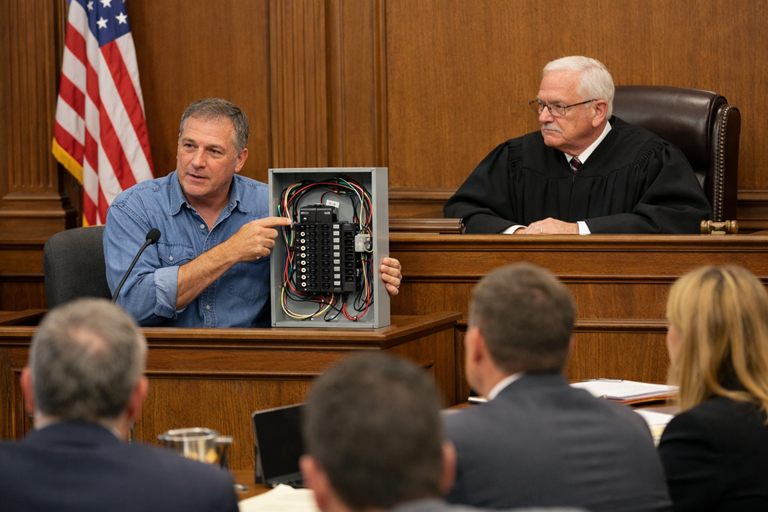
In real estate disputes, lawyers often need more expert imput then just one appraisers for property values or one architects for design checks. As homes and buildings grow more complex, courts need input from hands-on experts in trades such as electricians, plumbers, HVAC techs, and roofers. This shift helps prove who messed up and how much it costs to fix. Without them, cases drag on or end in weak settlements. Let’s explore why these specialized witnesses fill a key gap.
The Hands on Experience from Experts in Modern Construction Defect Cases
The Legal Threshold: Establishing Causation and Standard of Care
Courts demand clear links between actions and harm. You must show someone broke the rules of their trade. That’s the standard of care, and general experts often can’t nail it for niche problems.
A licensed electrician knows the right way to ground a panel. They spot if shortcuts caused a fire. Appraisers or architects? They describe the damage but not why it happened.
Rules like Daubert set bars for expert testimony. Judges check if the witness has real know-how backed by facts. Trade pros shine here. Their daily fixes and code knowledge make their words stick in court. This beats vague opinions from broad construction overseers.
Core Technical Disciplines Essential for Real Estate Litigation Support
HVAC and Mechanical Experts: Analyzing System Failures and Efficiency Disputes
HVAC techs, or air heat mechanical pros, dive into heating, cooling, and ventilation woes. They check if a unit was sized right for the space. Wrong size means poor air flow or breakdowns.
Installation slips, like loose ducts or refrigerant leaks, spike repair bills. These experts test systems to prove code breaks on energy use.
Picture a hotel fight over a chiller that failed early. The tech measures output and flags bad setup. Or in homes, poor dehumidification breeds mold. Courts value their reports on fix costs and health risks. This turns fuzzy claims into hard numbers.
Common HVAC issues in lawsuits: Undersized units causing uneven temps.
Leaks leading to water damage claims.
Code violations on ventilation that trap pollutants.
Their input sways verdicts by showing neglect’s true toll.
Licensed Electricians: Illuminating Safety Hazards and Code Violations
Electricians bring light to dangers like outdated wiring or shock risks. They inspect panels for proper load balance. A overload could spark a blaze.
In renos, they verify if new circuits meet NEC rules. Arc-fault breakers prevent fires; skipping them invites suits.
Consider a rental with flickering lights from bad grounding. The electrician traces it to cheap fixes. This proves landlord fault in injury cases.
They also tackle smart home glitches. Wires for IoT devices must be safe. Experts explain why skimping led to outages or hazards. Their testimony quantifies upgrades needed, boosting settlement odds.
Key areas: Fire cause from faulty outlets.
Grounding fails in wet areas like baths.
NEC updates ignored in flips.
These details arm lawyers with firepower.
Master Plumbers: Investigating Water Damage, Cross-Contamination, and Piping Integrity
Plumbers hunt down leaks that ruin floors and walls. Slab leaks from corroded pipes flood foundations. They use cameras to pinpoint breaks without tearing up slabs.
Sewer backups spread germs. Experts check vents and traps for code fits. Poor setup risks cross-contamination in multi-unit builds.
In one case, a bad PEX install cracked under pressure. The plumber’s report showed install flaws, not material defects. This shifted blame to the contractor.
Fire sprinklers demand tight plumbing. Failures in installs void insurance. Plumbers assess Legionella from hot water tanks set wrong. Their fixes include trap guards and backflow stops.
Frequent disputes: Clogged lines from wrong pipe glue.
Water heater blasts tied to valve skips.
Code checks on drain slopes.
This expertise uncovers root causes others miss.
Roofing Experts: Proving Water Intrusion and Material Lifespan Claims
Roofers don’t just patch holes; they decode why water sneaks in. Flashing around chimneys must seal tight. Bad work lets rain rot beams.
They evaluate membrane life on flat roofs. Low-slope systems fail if drainage clogs. Steep pitches need shingles nailed right to fight wind.
A strip mall suit over early leaks? The roofer tests adhesion and layers. They prove if cheap materials fell short of 20-year promises.
Drainage planes guide water away. Experts map how poor slopes pool it. This links intrusion to mold or structural sags.
Vital checks: Ice dam risks in cold zones.
UV damage on exposed edges.
Warranty voids from install skips.
Their breakdowns make damage claims airtight.
Qualifications, Credibility, and Selection Criteria for Trade Experts
Distinguishing True Expertise: Certifications vs. Experience
Pick experts with active licenses from state boards. Years fixing real jobs beat book smarts alone. Look for 10+ years in the field.
Certifications add weight. NATE stamps HVAC know-how. Electricians need NEC updates. Roofers might hold GAF or CertainTeed badges.
A shop tech differs from a master technician of the field who teaches classes. The latter handles cross-exams with ease. Check if they review peers or write guides.
Experience tips: Ask for past case lists.
Verify insurance for testimony risks.
Seek those with court time.
Solid creds build trust fast.
Preparing the Trade Expert for Deposition and Trial Testimony
Trade lingo confuses juries. Teach them to swap “brazed joint” for “heat-sealed pipe link.” Keep it plain.
Visuals help. Photos of rust or cracks pair with simple sketches. Show before-and-after fixes.
Practice mocks build poise. They learn to stick to facts, not guesses. This dodges traps from opposing lawyers.
Strong prep turns tech talk into clear wins. Juries grasp the story, raising case strength.
Impact on Litigation Strategy and Settlement Outcomes
Strengthening Case Value Through Quantifiable Technical Damages
Vague “bad work” claims flop. Trade reports list exact fixes: $5,000 for rewiring, $10,000 for roof tear-off.
They pull prices from local bids and codes. This sets real repair scopes.
Stats back it. Cases with tech evidence settle 30% higher, per industry reports. Juries award more when harm’s measured.
Your strategy shifts from hope to proof. Experts forecast long-term costs, like HVAC efficiency losses.
Leveraging Trade Testimony for Insurance Claims and Subrogation
Insurers chase subs after payouts. Trade pros link loss to a sub’s error, like a plumber’s bad solder.
Proximate cause proves the chain. Was the leak from install or wear? Experts say.
In subrogation, their reports recover funds. A roofer’s find on faulty flashing nails the supplier.
This speeds claims and cuts lawyer loads. Strong testimony means quicker, fairer payouts.
Conclusion: Future-Proofing Real Estate Legal Practice with Technical Depth
Real estate fights now tangle with smart tech and green codes. Basic architect views won’t cut it for issues in wiring or vents. Specialized trade experts like electricians, plumbers, HVAC techs, and roofers bridge that gap.
They prove standards broke and tally true costs. Law firms gain edges by lining up these pros early. Audit your contacts—vet licenses and experience.
Build ties with these witnesses. Your next case could hinge on their sharp insights. Act now to stay ahead in property battles.



0 Comments